Article
Are All Your Eggs in One Basket?
Inflation, hard assets and overlooked geography of diversification
Michael K. Cobb · Jul 29, 2026
We’ve all heard the ageless adage, “Don’t put all your eggs in one basket.” That’s wise, right? And we certainly want to be wise when it comes to our money. According to modern portfolio theory, diversification is the single biggest determining factor in profits and long-term gains in the marketplace. It’s prudent to diversify our investments. Both by asset type and by geographic location. Let's look at asset “type” diversification first.
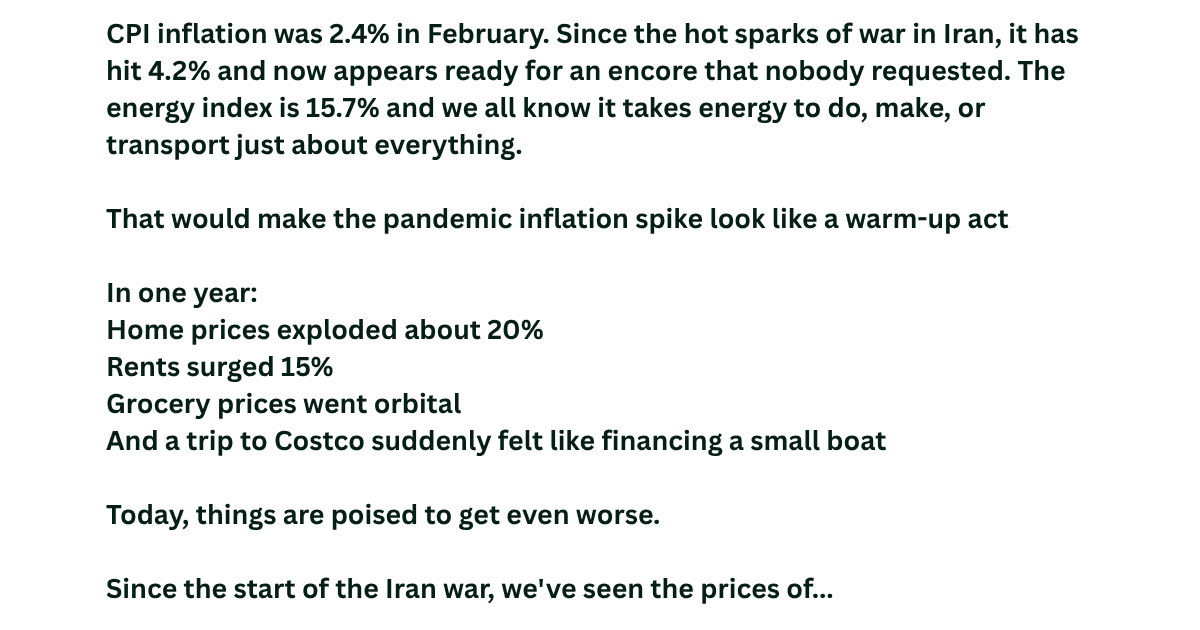
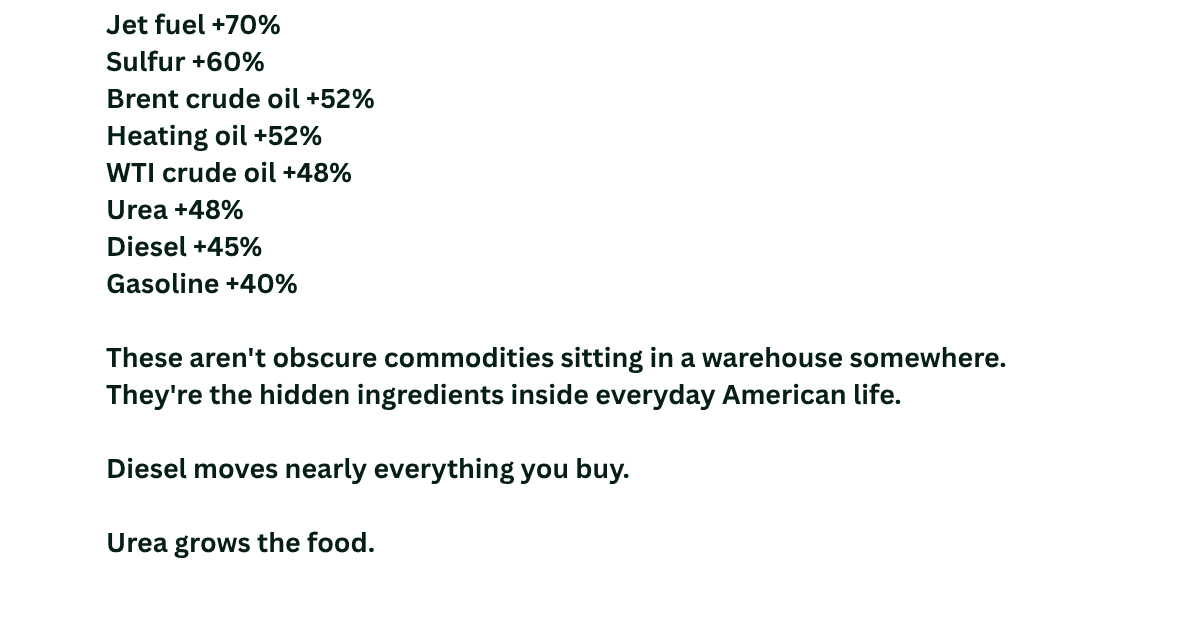
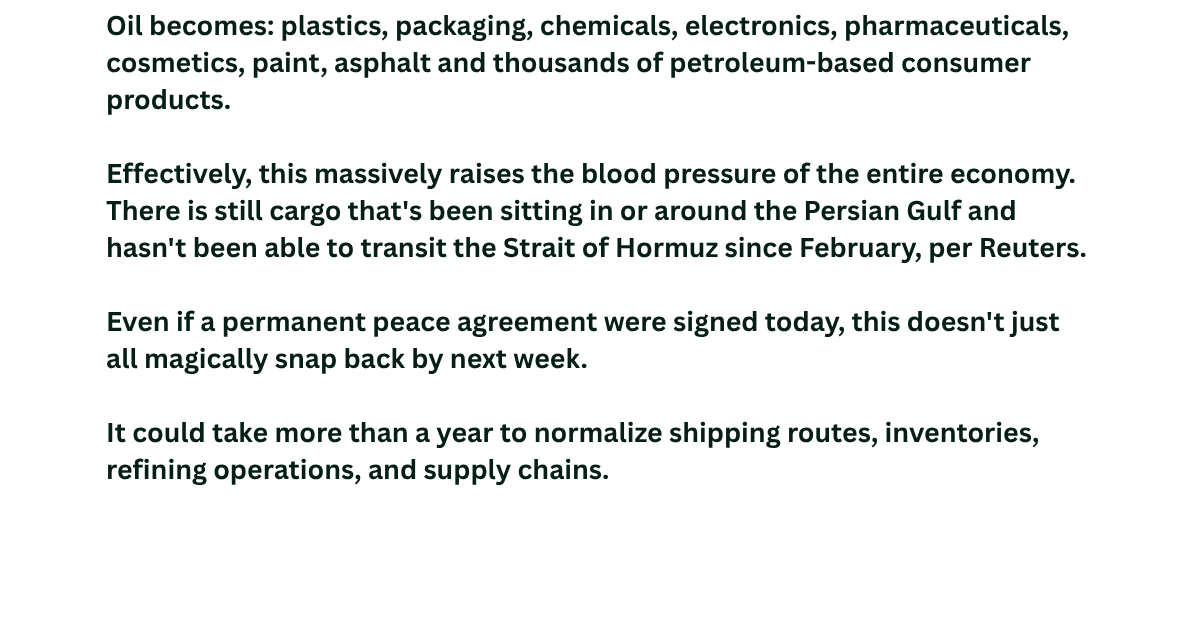
What hard assets do you have? Real, tangible things that you own outright. In physical form. I’m sure that some of you have metals. But how about other commodities? How do you hold oil, wheat, copper, and beef in any real way? It’s hard to have a physical commodity investment other than the super precious metals like gold and silver. But we do know we need these kinds of commodity assets in our investment portfolio to be truly diversified. It would be great to hold a commodity asset that provided both global and asset type diversification. Few easy options exist sadly. But there are a few, and one of them I know quite well. But I’m getting ahead of myself. Are you worried about inflation? If so, you are not alone. Chances are that you probably feel that the financial direction our country is headed in the wrong direction. Inflation is already up. But it’s set to roar when the Hormuz oil shocks really hit. Add to that, politicians continuously caving in to more spending and higher taxes. Many folks see the current prognosis is downright scary. What can we do? Well…. a lot, actually. One easy action is to own hard assets and diversify. Hard assets do well in inflationary times. Diversification is always prudent.
A good friend, Keith Weinhold, recently published this in his newsletter:
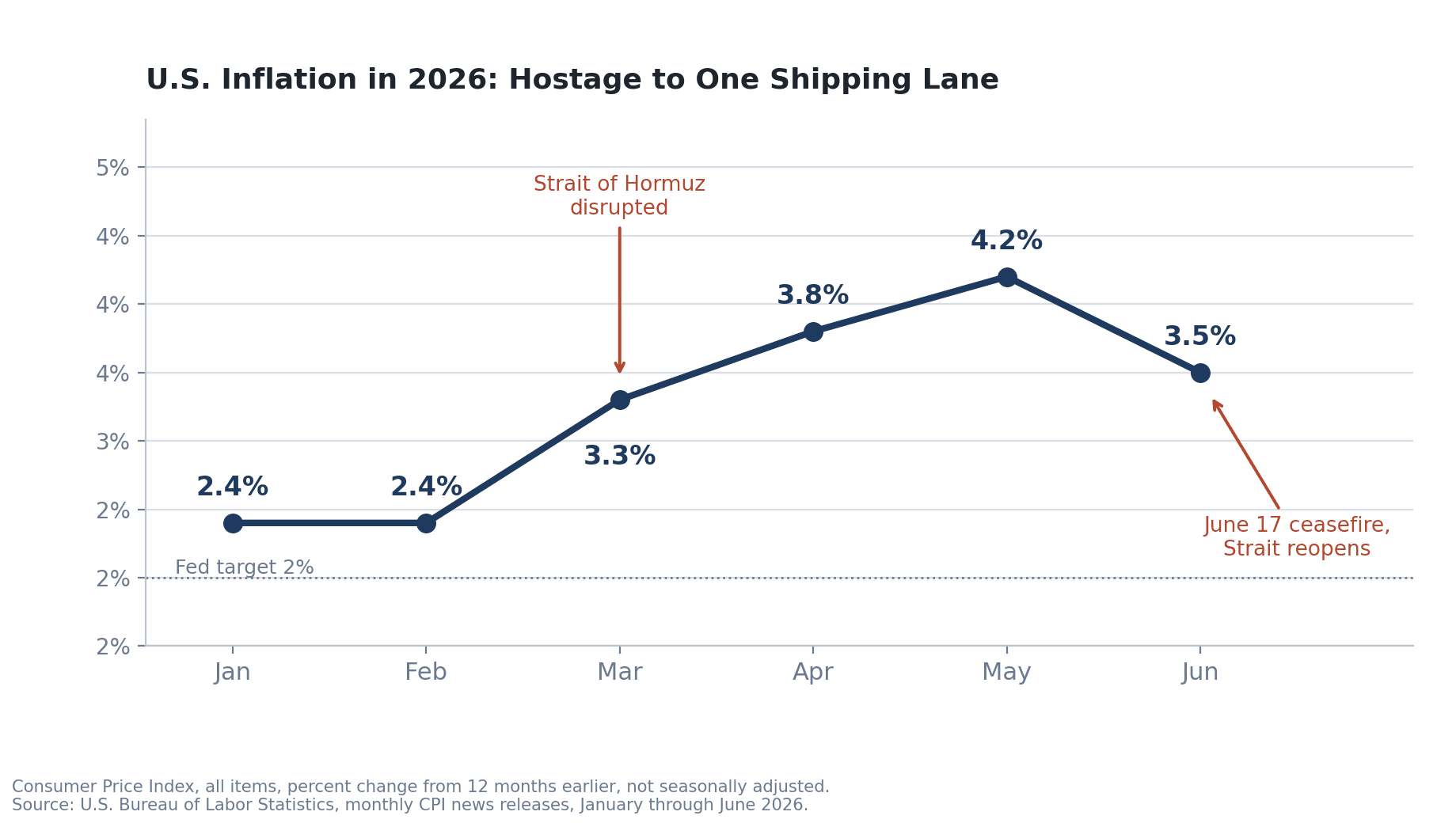
THE MISSING HALF: Hard assets are only part of the equation
These elements are set to supercharge inflation. I’m concerned about the rough patch ahead. Are you? We know that hard assets do well as stores of value during inflation. Owning those is half the diversification battle. The other half is geographic, so let's switch gears to the other side and balance out diversification. The sad reality is that the overwhelming majority of folks still have 100% of their investments in the US. Now, I would never bet against the largest economy in the world. But where’s the prudence of having all your eggs in one basket? Even the biggest and strongest basket in the world.
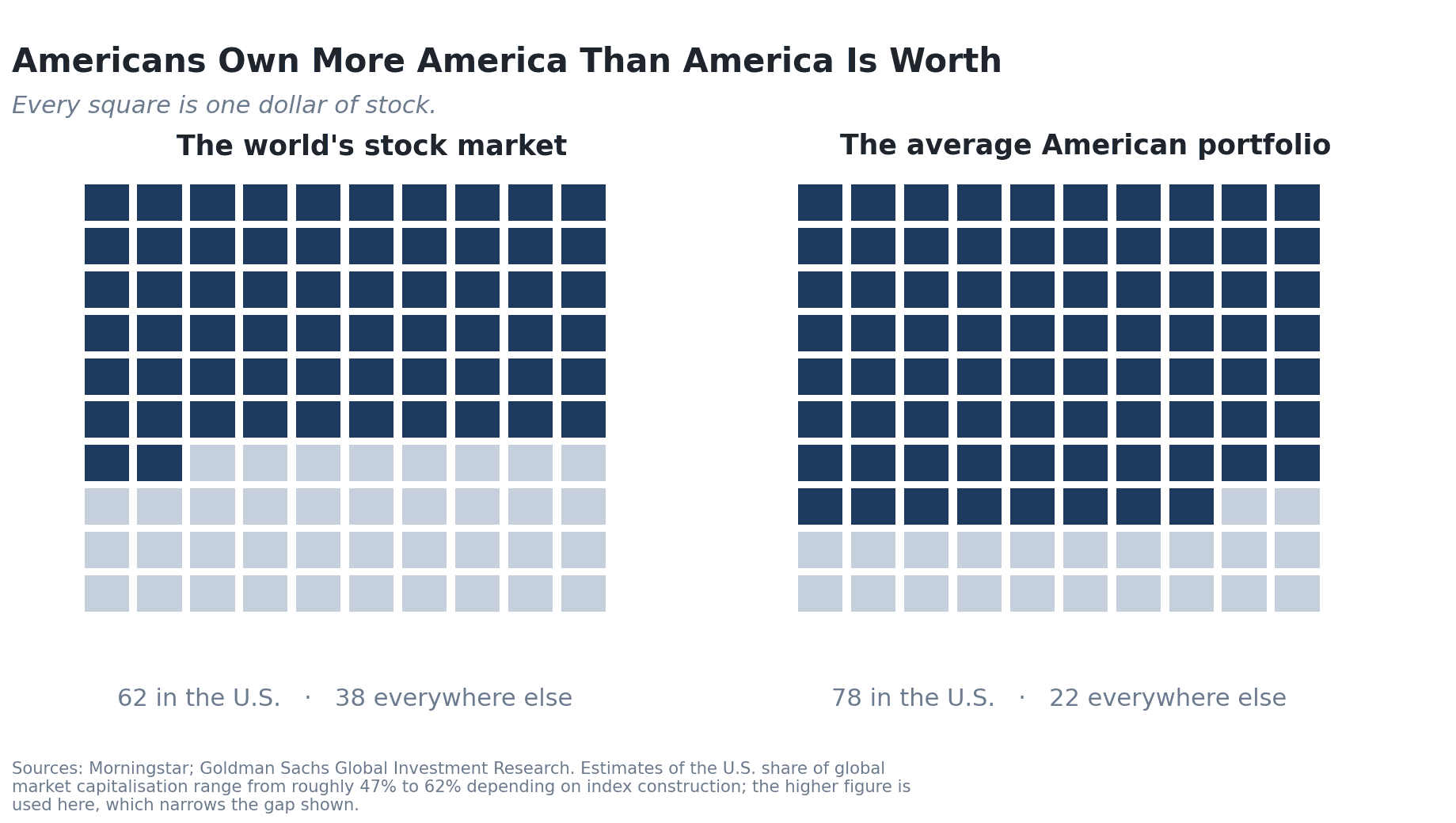
People often believe that they have good diversification because they have an emerging market mutual fund, or a Southeast Asia fund. If you own Toyota, Nestle, and Siemens stock on the NYSE, are you truly diversified internationally? Not really. In reality, your investments are still 100% invested in the US. Really? Where do those stocks trade? And in what currency? Most trade on the New York Stock Exchange and are priced in the US Dollar, right? True diversification reaches beyond asset classes. It also crosses borders.
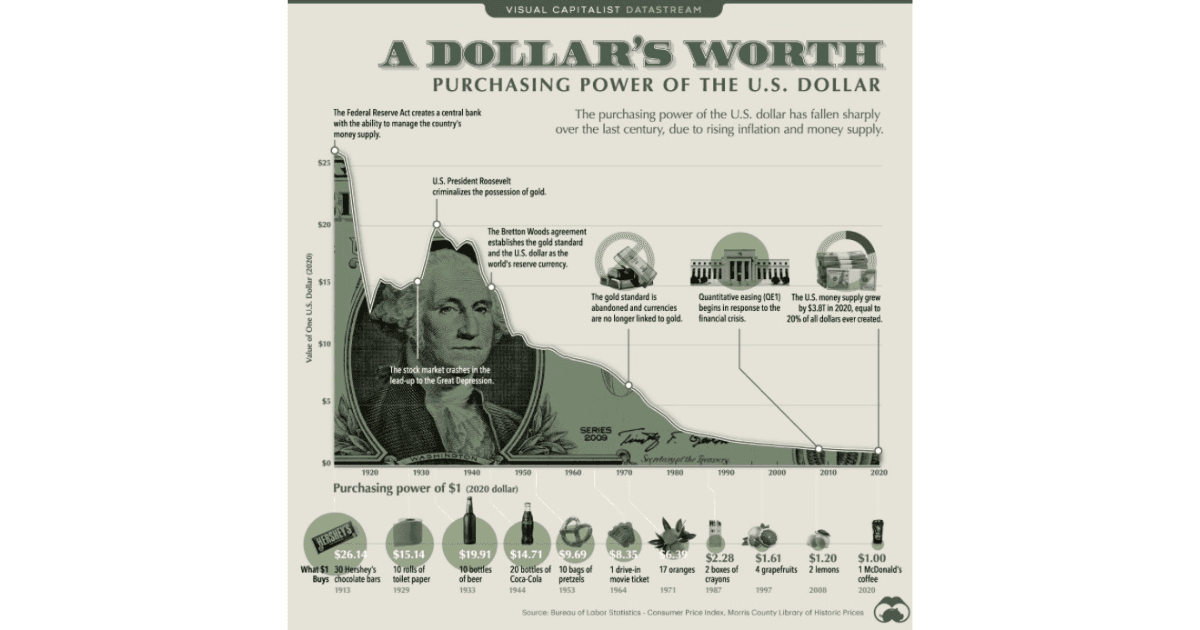
True international hard asset diversification is something different. It gives you the kind of real hedge you need for a declining value of the dollar ahead from the pressures of oil shocks, inflation and an unhinged monetary policy. Under scrutiny, most people would admit that they are really looking for something significant when comes to an inflationary hedge. We must or we lose money as inflation eats away at our paper gains. For investment success, we need assets that hold value, or even increase in value, during inflationary periods. And if we can secure both downside protection and an excellent upside potential overseas, then we kill two birds with one stone, don’t we? This is the power of combining asset type and geographic diversification. When you go global, the important question to ask is this. How do we safely invest overseas? It’s the right question to ask. The short answer is due diligence. Use your brains to analyze the opportunities and make rational decisions about what makes sense. Rational because the fear we feel is irrational unless we validate it through fact. Investors must remember that risk and the perception of risk are two different things. Understanding true risk requires due diligence.
THE OFFSHORE ADVANTAGE: A second basket beyond your home market
Being able to navigate overseas gives cutting-edge investors a huge advantage. They venture offshore because they know it’s critical for diversification and yield. They know that the average investor won't, enhancing ROI for those savvy investors who do. We know that hard assets are the key to a wise strategy of portfolio diversification and hedging inflation. But how do we own these offshore assets and build the new basket for some of our nest eggs? How do we find stable places and people we can trust?
Three elements to keep in mind:
1. We set fear aside. We honestly explore opportunities offshore, digging into the facts, letting rumor and urban legends fade away. We go slowly to be sure we are making responsible decisions. We, “Measure twice and cut once,” as the carpenter says.
2. We do what the top investors do. We work with professionals who know the lay of the land. People who have long track records in the region, experts who have walked the walk and know the terrain. When it comes to protecting their hard-earned assets and uncovering outsized returns, prudent investors know there’s no substitute for knowledge and experience in their overseas partners.
3. We place ourselves in the path of progress and let macro demographics work in our favor. We consider what consumers want to buy and how our investments serve them. We seek out a country that is stable both economically and politically. By doing these things, we position ourselves for maximum gain. We build a new, diversified, safer basket for some of our nest eggs.
THE FIRST STEP: How to start your research
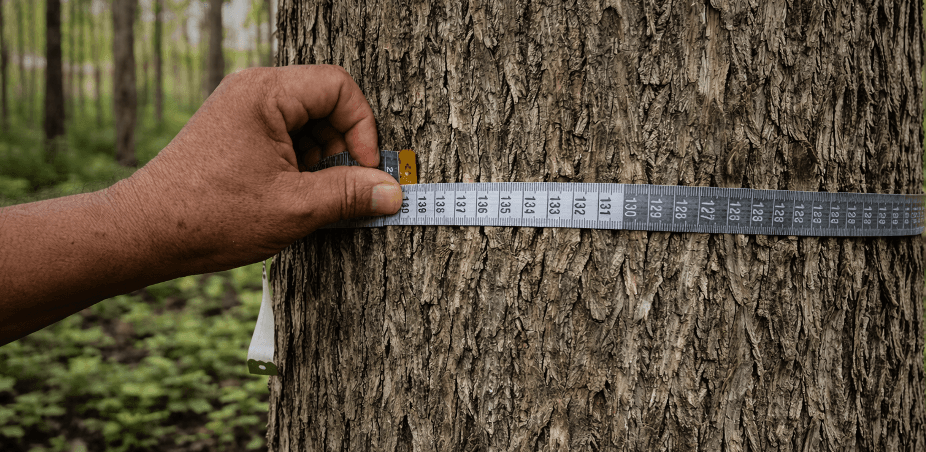
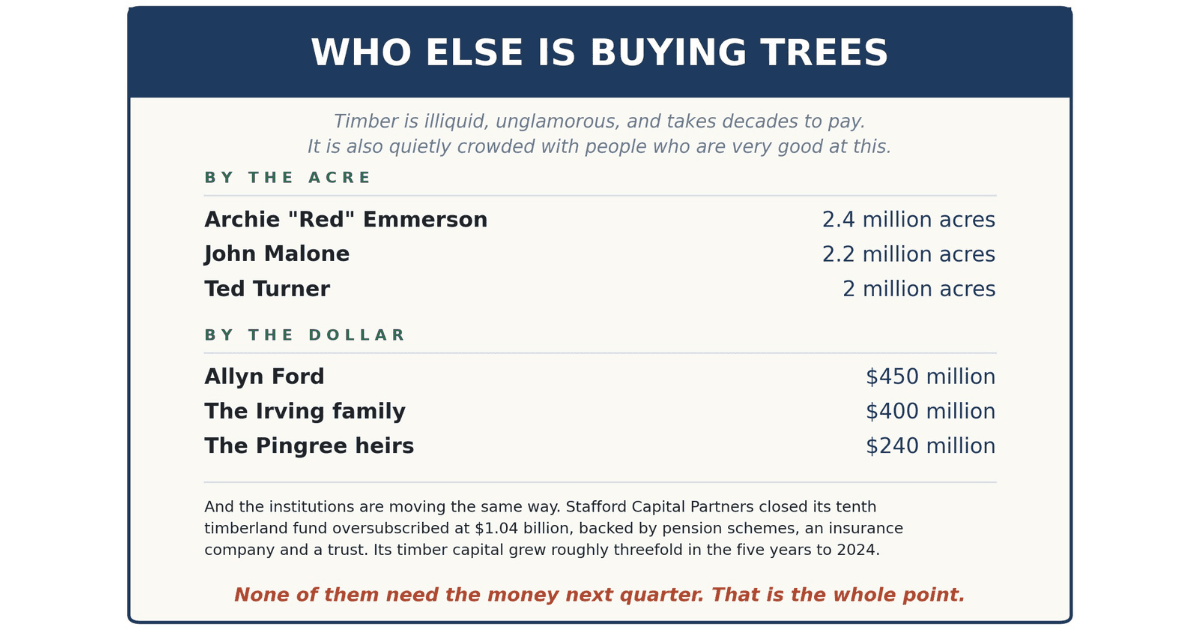
Panama is a great place to begin your search for global asset diversification It’s a safe, secure country that loves US/Canadian foreign investment and treats us well. A titled Teak Timber Farm Parcel in Panama is a phenomenal commodity asset that does well during inflationary periods. And because it’s overseas, it helps you build your nest egg globally too.
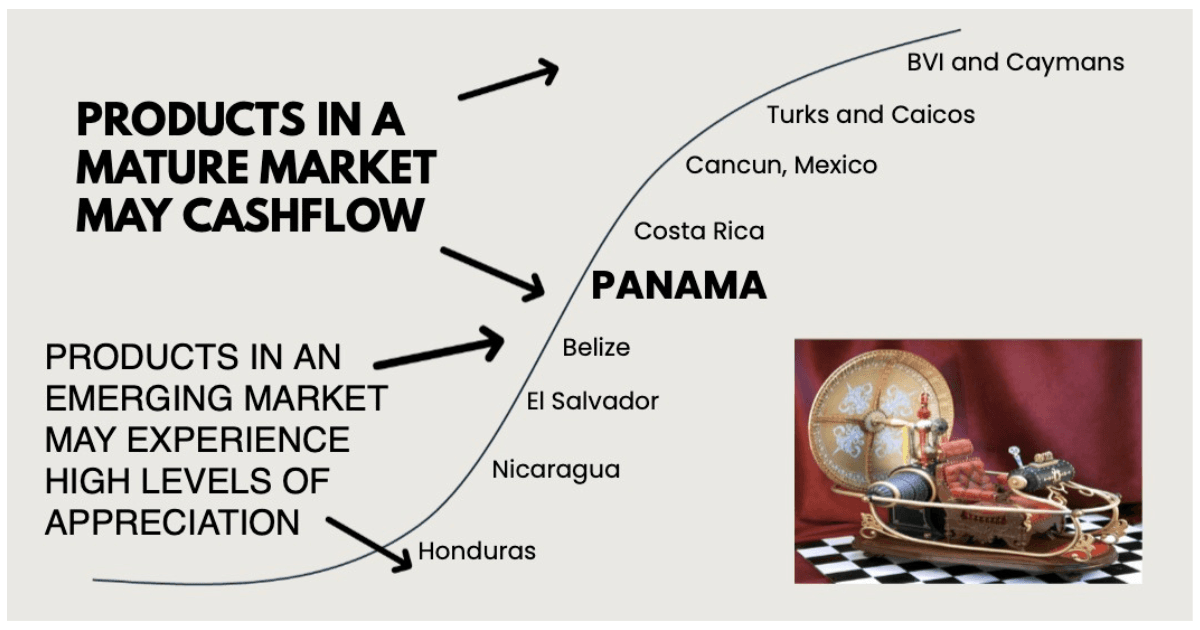
In conclusion, here are some key questions to consider:
Do you believe that the US is headed off a financial cliff? If so, how can you protect your financial future? What do successful, global investors know that you don’t? Why do they invest offshore? Which products and countries are they considering?
Baby steps are a great way to protect some of your nest eggs. An excellent first step is just to do some simple research. Tap into the expertise of qualified professionals. Check out an investment idea or two. Then, if it all makes sense, supercharge the direction you have wisely already set for yourself.
Here's one idea to consider:
Own a quarter-acre of titled land with 100 Teak trees in Panama. It’s a baby step because the investment requires less than $10,000. And it can be financed, bringing it within reach of almost any savvy investor. Teak timber is a commodity. Titled land is a hard asset. And Panama, with the Canal, continues to be a strong player globally. The combination here, with one small investment, provides the perfect trifecta to achieve a globally diversified, hard asset, commodity-based investment.
Baby steps are often the best place to start. If you'd like to explore this idea further or just ask a few questions, send me a message. I'd be happy to help.
Best regards,
Mike Cobb, Teak Hardwoods
Questions This Raised?
The best decisions start with good questions. Bring yours, and let's see where they lead.